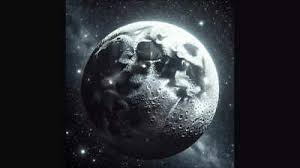
Moon phase meditation connects your inner world with the rhythms of the moon. Each phase offers unique energies for reflection, release, or growth. This practice can deepen your spiritual awareness and support personal development by aligning your intentions with lunar cycles.
Understanding Moon Phases and Meditation
The moon goes through changes. These changes are called phases. We see different amounts of the moon lit up.
This happens as the moon orbits Earth. It takes about 29.5 days for the moon to complete its cycle. This cycle has been important to people for ages.
Many cultures have tied traditions to it. It’s a natural rhythm we can tap into.
Meditation is about focusing your mind. It helps you find calm. It can make you more aware of yourself.
When you combine meditation with moon phases, you add another layer. You use the moon’s energy as a guide. It’s like having a gentle whisper from nature to help you focus your thoughts.
It makes your practice feel connected to something bigger.
Each moon phase has its own feel. Some phases are about starting new things. Others are for letting go.
Still others are for just being. Knowing these feelings helps you choose your meditation focus. It gives your practice a purpose for that time.
You’re not just meditating; you’re meditating with intention.
The New Moon: A Time for New Beginnings
The new moon is when the moon is hard to see. It’s just a sliver, or not there at all. This phase marks the start of the lunar cycle.
It’s a quiet time. It feels like a blank slate. Many traditions see this as a time to set new goals.
It’s a powerful moment to plant seeds for the future.
For meditation, the new moon is perfect for setting intentions. Think about what you want to create. What do you want to start in your life?
This could be a new habit. It might be a new project. Or perhaps a new way of thinking.
Write down your goals. Then, meditate on them.
Imagine your intentions taking shape. Visualize them growing. Feel the energy of new beginnings.
This meditation helps you commit to your path. It aligns your inner energy with the outward energy of the new moon. It’s a gentle way to kickstart your personal growth journey.
You are setting the stage for what’s to come.
New Moon Meditation Focus
Theme: Fresh Starts, Setting Intentions, New Goals
What to do:
- Write down your goals or intentions for the coming month.
- Meditate on these intentions.
- Visualize yourself achieving them.
- Focus on feelings of possibility and hope.
The Waxing Moon: Growing and Building
After the new moon, the moon starts to grow. This is the waxing phase. We see more and more of the moon each night.
It’s like energy building up. It’s a time for progress. Things are moving forward.
This phase is about developing your ideas.
Your meditation during the waxing moon can focus on building. It’s about nurturing your goals. Think about the intentions you set during the new moon.
How can you make them stronger? This is a good time to focus on taking action. What steps can you take?
Your meditation can help you find these steps.
You might meditate on cultivating energy. Focus on your strength. Visualize your goals becoming more real.
Feel the momentum building. This practice helps you stay focused. It keeps your energy directed toward your objectives.
It’s about consistent effort and steady growth. The moon’s steady light mirrors your progress.
Waxing Moon Practice Ideas
Theme: Growth, Progress, Building Momentum
Activities:
- Meditate on action steps for your goals.
- Visualize your progress.
- Focus on self-improvement and learning.
- Practice affirmations about your abilities.
The Full Moon: Peak Energy and Clarity
The full moon is the brightest. It shines its full light on us. This is the peak of the lunar cycle.
Energy is high. Things often feel clearer. It’s a time of culmination.
It can also be a time for releasing what no longer serves you. Many people feel more emotional during this time.
Full moon meditation can be very powerful. It’s a great time for gratitude. Think about what you have achieved.
Thank the universe for blessings. It’s also a potent time for release. What do you need to let go of?
This could be old habits. It might be negative thoughts. Or even past hurts.
Meditate on releasing with the full moon’s light. Imagine your worries or burdens being absorbed by the moon. Then, let them go.
Feel lighter. You can also meditate on your biggest dreams. The full moon amplifies energy.
Use this to your advantage. It helps you connect with your deepest desires.
I remember one full moon. I had been holding onto a lot of stress. My job felt overwhelming.
I sat outside under the bright moon. I focused on my breath. Then, I imagined all the tension leaving my body.
I pictured it floating up into the moon. It felt like a physical weight lifting. I felt so much relief after that meditation.
Full Moon Meditation Themes
Focus: Gratitude, Release, Celebration, Clarity
Practices:
- Practice gratitude for your life.
- Meditate on what you want to release.
- Visualize your biggest dreams with clarity.
- Journal about insights that arise.
The Waning Moon: Reflection and Letting Go
After the full moon, the moon starts to shrink. This is the waning phase. We see less and less of it.
The energy shifts. It’s a time for winding down. It’s about reflection.
It’s also about letting go of what you don’t need.
Waning moon meditation is about releasing. It’s a gentle process. It helps you prepare for the quiet new moon.
What lessons have you learned? What experiences have shaped you? This is a time to acknowledge them.
Then, decide what you want to carry forward. And what you want to leave behind.
Meditate on shedding old skin. Imagine yourself becoming lighter. You are clearing space.
This makes room for new growth later. It’s a natural pause. It helps you process.
It’s like tidying up your internal house. You are making space for fresh energy. This phase is crucial for balance.
In my own practice, the waning moon feels like a deep sigh. It’s a time to slow down. I often find myself reflecting on the past month.
What worked? What didn’t? I’ll sit and meditate, focusing on what I can release.
It’s incredibly calming. It prepares me for the quiet introspection of the new moon.
Waning Moon Reflection
Key Ideas: Letting Go, Reflection, Shedding, Preparation
Meditation Prompts:
- Reflect on lessons learned from the past cycle.
- Meditate on releasing burdens or old patterns.
- Focus on forgiveness for yourself and others.
- Practice acceptance of what is.
How to Practice Moon Phase Meditation
Practicing moon phase meditation is simple. You don’t need anything fancy. Start by knowing where you are in the moon cycle.
Many apps or calendars can tell you this. Once you know the phase, choose your meditation focus.
Find a quiet space. Sit or lie down comfortably. Close your eyes.
Take a few deep breaths. Let your body relax. Then, bring your chosen focus to mind.
If it’s a new moon, think about your intentions. If it’s a full moon, think about gratitude or release.
Use guided meditations if that helps. There are many online. Or simply focus on your breath.
Allow thoughts to come and go. Don’t judge them. Gently bring your focus back to your intention.
Stay with it for as long as feels right. Even five to ten minutes can be powerful.
Consistency is key. Try to meditate around the same time each day. Pay attention to how you feel.
Notice any shifts in your energy or emotions. This awareness is part of the practice. It helps you understand yourself better.
It also helps you connect more deeply with the moon’s rhythm.
Getting Started Checklist
What You Need:
- Awareness of the current moon phase.
- A quiet, comfortable spot.
- An intention or focus for your meditation.
- A willingness to connect with lunar cycles.
Simple Steps:
- Identify the moon phase.
- Choose your meditation theme (e.g., intention, release).
- Sit or lie down, close eyes, and breathe.
- Focus on your theme.
- Gently return focus when your mind wanders.
- End with a few deep breaths.
Connecting with Lunar Energy
Lunar energy is subtle. It’s not a loud force. It’s more like a gentle pull.
The moon influences tides. It influences plant growth. It’s natural for it to influence us too.
Our bodies are made mostly of water. Like the oceans, we can be moved by lunar cycles.
To connect, pay attention. Notice your moods. Notice your energy levels.
Do you feel more energetic around the full moon? Do you feel more reflective during the waning phase? This observation is a form of connection.
It builds your awareness of your own natural rhythms.
You can also create rituals. Light a candle during meditation. Use moonstone or clear quartz.
These crystals are often associated with lunar energy. Hold them during your practice. Sit by a window where you can see the moon.
These simple acts can amplify your connection. They help make the invisible energy more tangible.
One of my favorite things is a full moon walk. It’s not meditation, but it connects me. Just being under the bright moon light feels amazing.
I feel more grounded and calm. When I meditate afterward, I bring that feeling with me. It makes the meditation more potent.
It bridges the gap between being outside and being within.
Different Types of Moon Meditations
There are many ways to meditate with the moon. Your practice can evolve. You can adapt it to your needs.
Here are a few ideas:
Intention Setting Meditation (New Moon)
This is for starting things. Focus on your desires. Write them down before you begin.
Then, during meditation, visualize them coming true. Feel the excitement. Believe in the possibility.
Gratitude Meditation (Full Moon)
Focus on thankfulness. Think about all the good things in your life. Big or small.
Feel the warmth of appreciation. This can lift your spirits. It shifts your focus to abundance.
Release Meditation (Full Moon / Waning Moon)
Identify what you want to let go of. This could be a fear. It might be a habit.
Picture it leaving you. Imagine it dissolving into the moonlight. Feel the freedom that comes from release.
Self-Love Meditation (Any Phase)
This is always important. The moon’s gentle light can be soothing. Practice self-compassion.
Affirm your worth. Treat yourself with kindness. You deserve it.
Manifestation Meditation (Any Phase, but potent during waxing and full moon)
This is about drawing things to you. Focus on your goals. Visualize yourself already having them.
Feel the joy and satisfaction. This helps align your energy with your desires.
Moon Meditation Styles at a Glance
New Moon: Planting Seeds, New Beginnings, Goal Setting
Waxing Moon: Building Energy, Growth, Taking Action
Full Moon: Peak Power, Gratitude, Release, Clarity, Celebration
Waning Moon: Reflection, Letting Go, Inner Peace, Preparation
The Science and Spirituality Connection
While moon phase meditation is often seen as spiritual, there are connections to science. The moon’s gravitational pull is a proven force. It causes ocean tides.
This same pull can subtly affect biological systems. Some research explores its influence on sleep patterns and hormones.
Our bodies are complex. They are more than just physical. Our emotional and mental states are also influenced by cycles.
The consistent, predictable pattern of the moon offers a framework. It provides a rhythm we can synchronize with. This rhythm can help regulate our internal states.
The spiritual aspect comes from our interpretation. We assign meaning to these cycles. We find comfort in their predictability.
We use them as metaphors for our own lives. The moon’s journey from darkness to light and back again mirrors our own challenges and triumphs. It’s a story we see played out in the sky.
For example, many athletes notice changes in their performance. Some feel more energetic at certain times of the month. While not solely attributable to the moon, these subtle shifts point to interconnectedness.
Our internal clocks are tuned to external cycles. Meditation helps us become more aware of these connections.
When to Worry: Signs It’s More Than Just Lunar Energy
While moon phase meditation is generally safe and beneficial, it’s important to know when something else might be at play. Most people’s experiences with moon cycles are gentle shifts. They are subtle influences on mood or energy.
These are normal variations.
However, if you notice extreme mood swings, intense anxiety, or persistent insomnia that seems tied to the moon phases, it’s worth looking deeper. These feelings might be amplified by the moon, but they could also be signs of underlying stress or mental health challenges. In such cases, the moon is a signal, not the cause.
It’s also important to remember that meditation should not be a
Here are some signs to watch for:
- Extreme emotional distress: Overwhelming sadness, anger, or irritability that feels unmanageable.
- Severe sleep disturbances: Inability to sleep for extended periods, or disturbed sleep that significantly impacts your daily life.
- Loss of functioning: Difficulty performing daily tasks due to emotional or mental states.
- Thoughts of self-harm: If you experience thoughts of hurting yourself, seek immediate professional help.
In these situations, focusing on the moon may be helpful for comfort, but it’s crucial to seek professional support. Think of moon phase meditation as a wonderful tool for well-being, but not a cure-all for serious issues.
Tips for Deepening Your Practice
Once you start practicing moon phase meditation, you might want to go deeper. Here are some ways to enhance your experience:
Keep a Moon Journal
Write down your observations. Note the moon phase. Record your feelings, dreams, and intentions.
Track your meditation sessions. Over time, you’ll see patterns. This journal becomes a personal guide.
Connect with Nature
Spend time outdoors. Notice the moon in the sky. Feel the air.
Listen to the sounds around you. This grounds your practice. It makes the connection feel more real.
Use Visualizations
During meditation, create vivid mental images. See the moon light filling you. Imagine your intentions taking root.
The more detailed your visualization, the more impactful it can be.
Incorporate Gentle Movement
Before meditating, try some gentle yoga or stretching. This can release physical tension. It helps prepare your body and mind.
It makes it easier to relax.
Find a Community
If possible, connect with others who practice moon meditation. Share experiences. Offer support.
This can be very encouraging. You can learn new techniques from others.
I found that keeping a journal was a game-changer for me. Before, I’d meditate and feel good, but I wouldn’t remember the specifics. Writing things down helped me see how my intentions evolved.
I could track my progress and see where the moon’s energy seemed most helpful. It made the whole process feel more tangible and less abstract.
Elevate Your Moon Meditation
Journaling: Document phases, feelings, intentions, and outcomes.
Nature Immersion: Spend time outdoors under the moon.
Sensory Engagement: Use candles, scents, or specific crystals.
Movement: Incorporate gentle stretches or yoga beforehand.
Community: Share your journey with like-minded individuals.
The Benefits of Aligning with Lunar Cycles
Aligning your meditation with moon phases offers several benefits. It provides structure. It gives your practice a natural rhythm.
This can make it easier to stay consistent.
It also enhances self-awareness. By tuning into lunar cycles, you become more aware of your own inner cycles. You notice shifts in your energy and mood.
This understanding helps you navigate life’s ups and downs more gracefully. You learn to work with your natural flow, not against it.
It can deepen your spiritual connection. The moon is a symbol of cycles, intuition, and the feminine divine. Connecting with it can make you feel more a part of the universe.
It fosters a sense of wonder and awe. It reminds you that you are part of something larger.
Finally, it can amplify your intentions. When you set goals during the new moon or release during the full moon, you are tapping into powerful natural energies. This can make your efforts more effective.
It adds an extra layer of support to your personal growth journey.
Frequently Asked Questions
What is the best moon phase for meditation?
There isn’t one “best” phase. Each phase offers unique benefits. The new moon is great for setting intentions.
The full moon is powerful for release and gratitude. The waning moon is good for reflection. The waxing moon supports growth.
Choose the phase that aligns with your current needs.
Do I need to see the moon to practice moon phase meditation?
No, you don’t need to see the moon. The moon’s energy is present regardless of visibility. You can practice moon phase meditation even on cloudy nights or during the day.
Your intention and awareness of the phase are what matter most.
How can I find out what moon phase it is?
There are many easy ways to find out the current moon phase. You can use weather apps on your phone, search online, or consult a lunar calendar. Many spiritual or wellness websites also provide daily moon phase information.
Can I do moon phase meditation if I’m a beginner?
Absolutely! Moon phase meditation is very beginner-friendly. Start with simple practices like focusing on your breath and an intention for the phase.
There are also many guided meditations available online for beginners. The key is to be gentle with yourself.
What if my emotions feel intense during a full moon meditation?
It’s common for emotions to feel stronger around the full moon. If you feel intense emotions, acknowledge them without judgment. You can focus your meditation on releasing these feelings or on self-compassion.
If emotions feel overwhelming, consider a simpler meditation or take a break and seek support if needed.
How long should a moon phase meditation session be?
Start with what feels comfortable. Even 5-10 minutes can be effective. As you become more comfortable, you can gradually increase the duration to 15-30 minutes or longer.
Consistency is more important than duration, especially when starting out.
Final Thoughts on Lunar Connection
Exploring moon phase meditation can add a beautiful dimension to your inner work. It connects you to natural rhythms. It offers a framework for intention and reflection.
By understanding each phase, you can tailor your practice. This makes your meditation more focused and meaningful. Embrace the moon’s gentle guidance.